Tasmania’s cold waters support some of the country’s most remarkable marine life, including giant kelp forests and our living dinosaur, the endangered Maugean skate, a species found nowhere else on Earth. But those same waters are heating up, fast.
As we head into a 2026/27 Summer influenced by a possible strong El Niño¹, with global ocean temperatures already breaking monthly heat records², the conditions that have triggered previous salmon mass mortality events in Tasmania are lining up once more. The potential impacts could devastate the region’s most important habitats, endangered species, and the salmon farming industry.
The Bureau of Meteorology (BoM) predicts strong, severe or even extreme marine heatwave conditions between now and January³ for much of the ocean surrounding Tasmania, particularly the south-east where most salmon farming is concentrated. Mass mortality events in Tasmania’s salmon farms typically occur in summer, when water is warmest and pushes salmon to the point where they physiologically struggle.
In the 2025 calendar year alone, over four million fish died prematurely ( 20,133 tonnes⁴), with approximately 2.7 million fish (13,500 tonnes) lost between January and March. Between January and March 2026, another 2.1 million fish died prematurely (10,452 tonnes⁵).
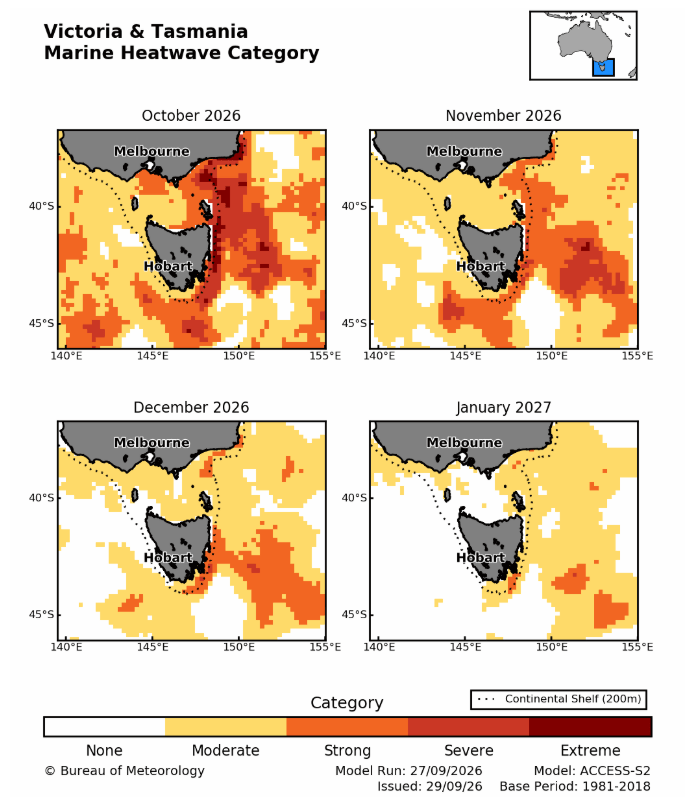
Marine Heatwave forecast for Tasmanian region from the BoM. Accessed on 1 Oct 2026.
Why this El Niño is different
An El Niño is considered strong when Pacific sea surface temperatures exceed 2°C above average, and some international weather agencies are forecasting global average sea surface temperatures 3°C above average later in 2026⁶. This would make 2026 the strongest El Niño event on record, and Australia’s Bureau of Meteorology warns this event is likely to persist into autumn 2027.⁷
BoM’s current outlook shows large parts of Tasmanian waters sitting in the “strong” to “extreme” marine heatwave categories through October and November, easing only slightly into the new year. Tasmania’s east coast waters are already warming up to four times the global average, so this summer’s heat is landing on an already shifted baseline.
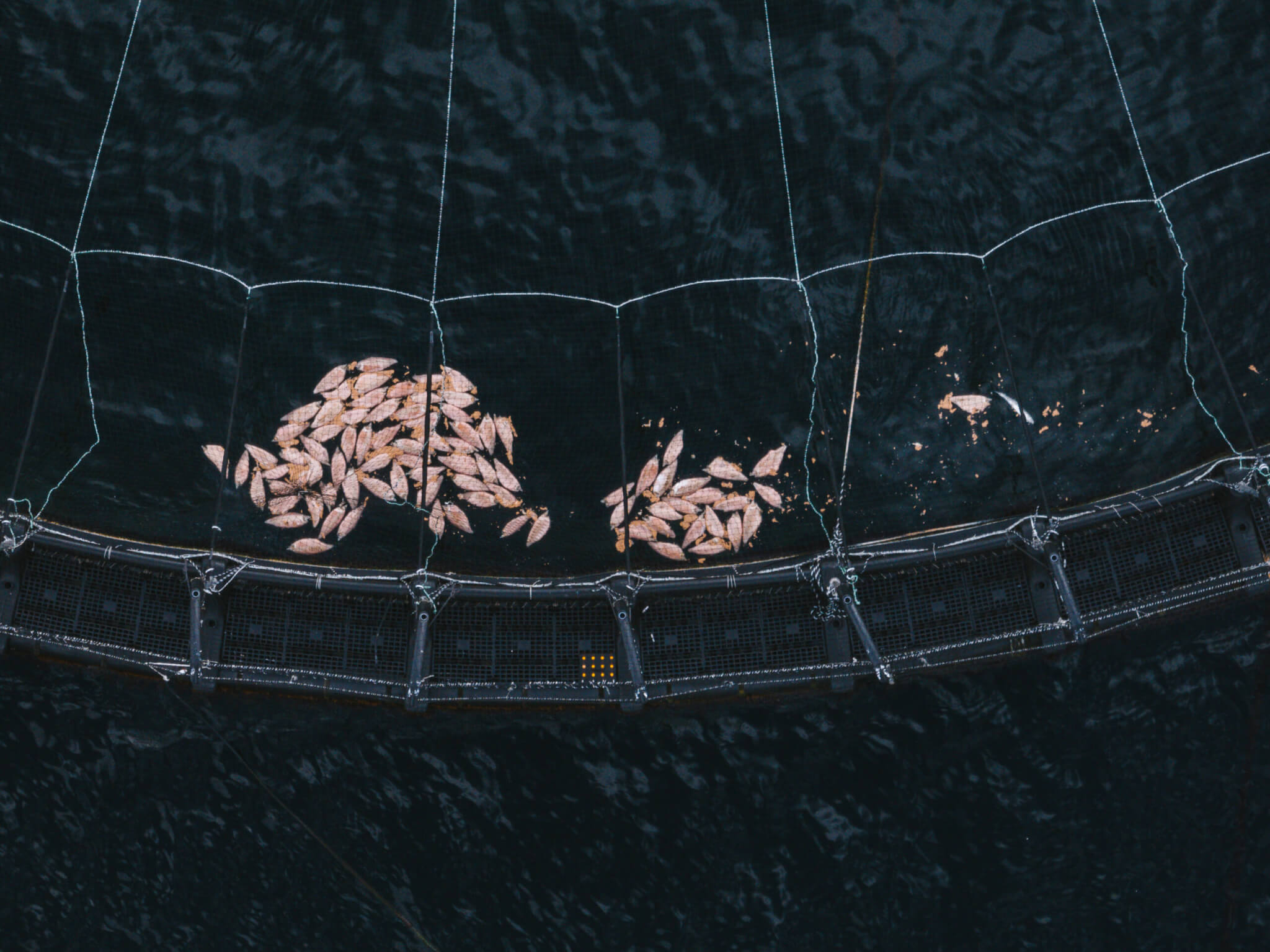
Salmon carcasses in a Huon pen during the 2025 mass mortality event. Roaring Beach, Tasmania. Feb 2025. Credit: Steven Chaffer, Bob Brown Foundation Images
How a warming ocean is killing sea-caged salmon
When water temperatures exceed 18°C, Atlantic salmon experience heat stress ⁸ ⁹ ¹⁰ that impairs growth and suppresses their immune systems, making them more vulnerable to disease. Above 19°C, mortality rates rise sharply.
This heat stress is amplified by the increasing frequency and intensity of marine heatwaves in the Tasmanian waters, particularly along the east and southeast coasts. Sustained exposure to elevated temperatures pushes these fish to their physiological limits, leading to disease outbreaks, increases in chemical inputs and pollution such as antibiotic effluent, significant animal welfare issues and mass mortality events.
Southeast Tasmania is where most salmon are farmed, particularly in the Storm Bay and D’Entrecasteaux regions. This area is also relatively exposed to warming waters from the east coast because the East Australian Current pushes warm, tropical water further and further south to Tasmania.
In 2015/16 Tasmania experienced its worst marine heatwave, with southeast Tasmania experiencing at least 50 days above 18°C; however, the volume of salmon mortalities during this period remains undisclosed.¹¹
During the summer of 2024-2025, an unprecedented seasonal spike in salmon mortalities occurred in Tasmania’s D’Entrecasteaux Channel. Based on satellite data, sea surface temperatures during this event (January-May) exceeded 18 °C for 24 days, peaking at 18.8°C.¹² These summer temperatures compounded the impacts of Piscirickettsia salmonis, a naturally occurring bacterium that causes fatal disease outbreaks in stressed fish.
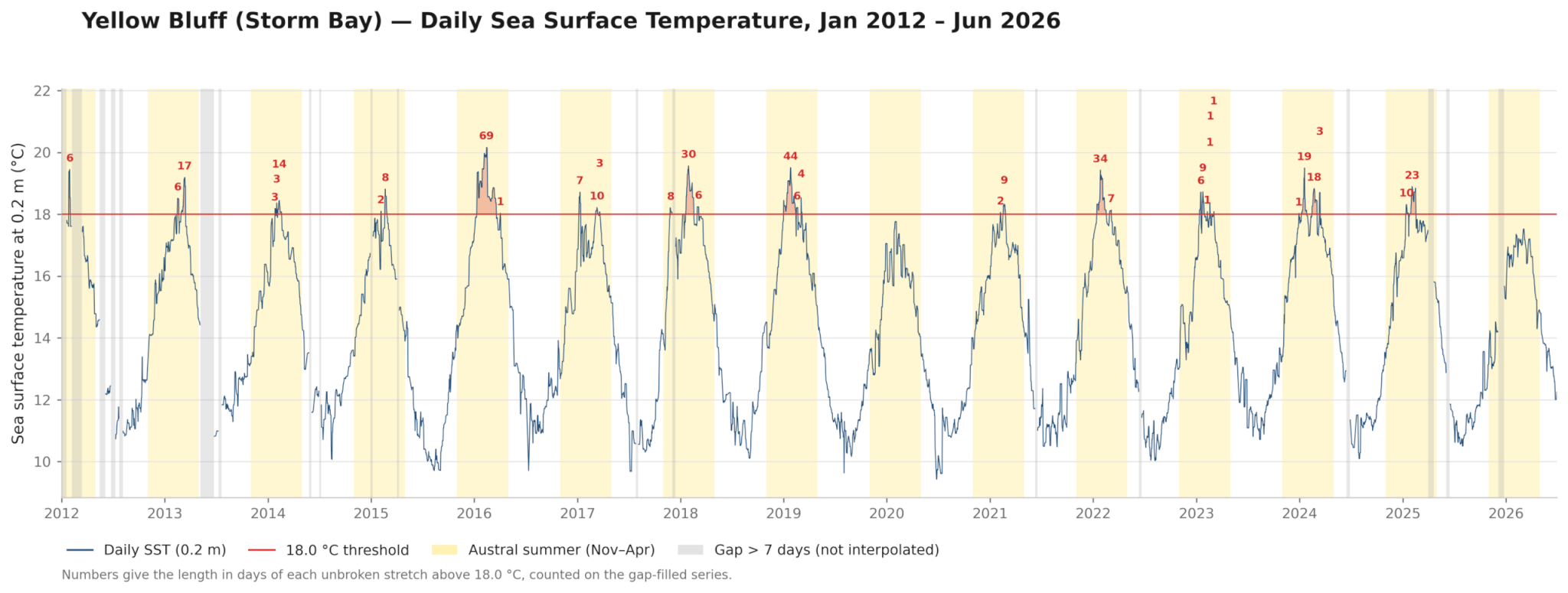
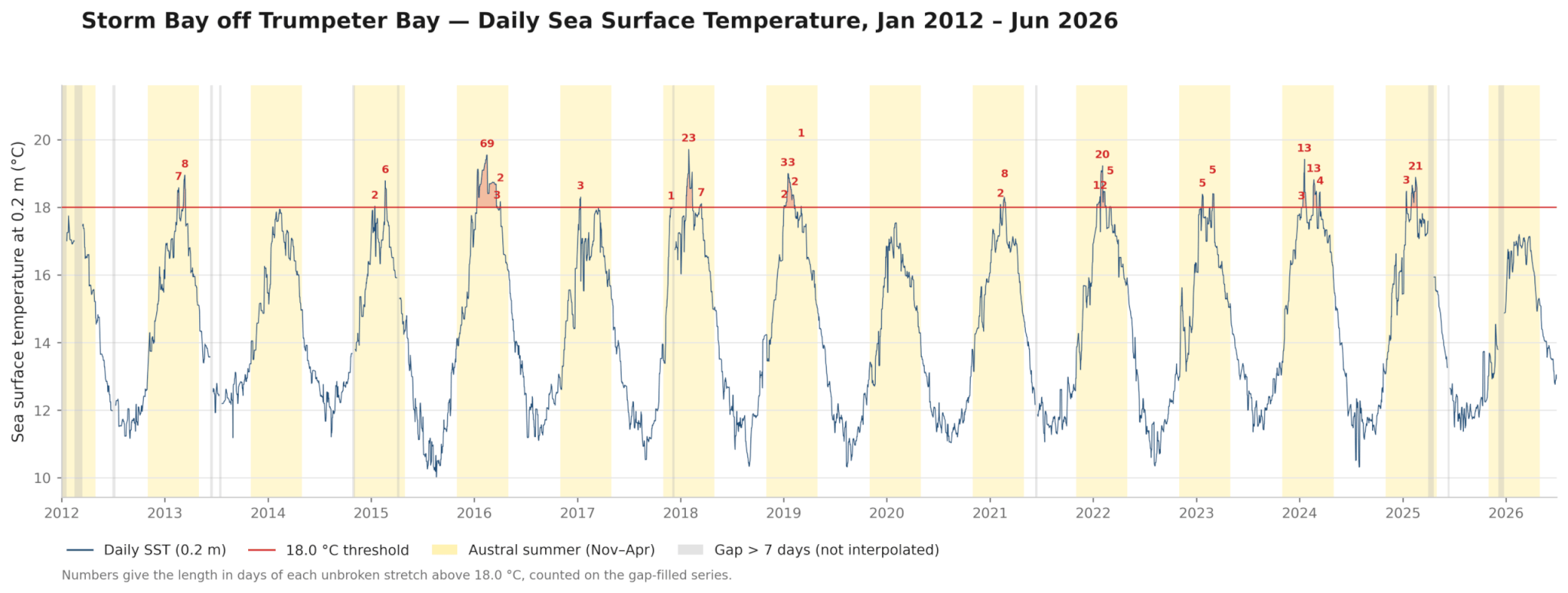
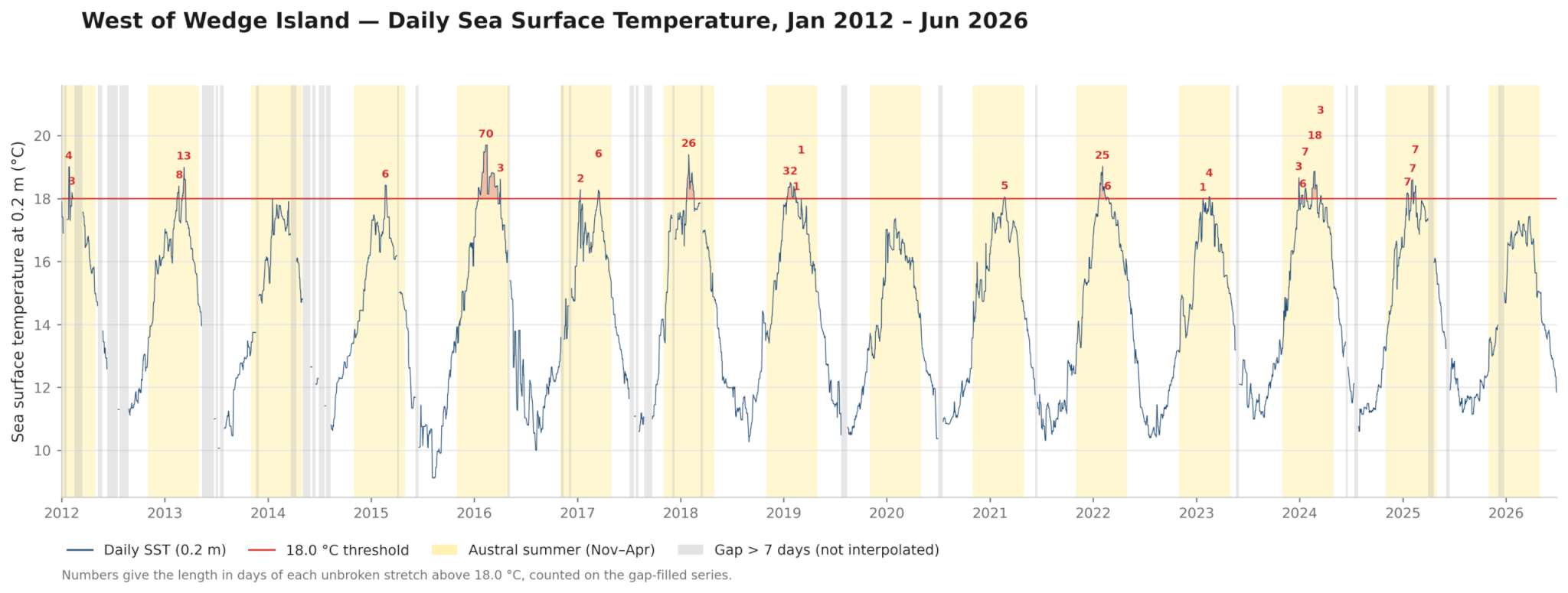
Sea surface temperatures at three current-day salmon farm locations in Storm Bay, spanning January 2012 to June 2026. The red numbers represent the consecutive days above 18 degrees celsius.
The combined effect of warm waters and disease has led the salmon industry to take drastic and environmentally damaging actions. In November 2025, Australian authorities approved the pig antibiotic florfenicol for ‘emergency’ use in aquaculture for the first time. Florfenicol was not only ineffective with over 2 million fish dying prematurely, its permitted use was revoked in just four months because antibiotics were detected in wild-caught seafood up to 14 kilometres from treated pens, ultimately affecting other fishing businesses. ¹³ ¹⁴. Furthermore, the Tasmanian Government had to advise locals not to consume seafood caught around florfenicol-treated salmon farms.
What about salmon farms in Macquarie Harbour? How does climate change affect them?
In Macquarie Harbour, on Tasmania’s west coast, salmon get ‘squeezed’ from above and below. In summer, salmon move to deeper, cooler water when surface temperature reaches 18 °C. However, deeper water in Macquarie Harbour is low in oxygen, and salmon need above 50% dissolved oxygen. As the surface warms and low-oxygen water closes in from below, salmon crowd into a thin band of ‘habitable’ water (<18 °C and >50% oxygen) within the cage, becoming increasingly stressed and chewing up even more oxygen.
In Macquarie Harbour, ‘uplift’ events occur where large volumes of seawater enter the harbour, driven by storms, sink to the bottom and ‘uplift’ the oxygen-depleted bottom waters through the water column. During summer 2017/18, at least 1 million salmon died, with in-situ data loggers recording 109 days of sea surface temperatures above 18°C, peaking at 24°C ¹⁵. The ‘squeeze’ was worst from 7-11 February 2017, when the band of habitable water ranged from 0.9 – 2.0 m depending on the location in the harbour.¹⁶ At 2.0 m wide, tens of thousands of salmon in a cage can be packed four times tighter than they normally are¹⁷. In short, climate change cooks salmon in Macquarie Harbour from above and chokes them from below.
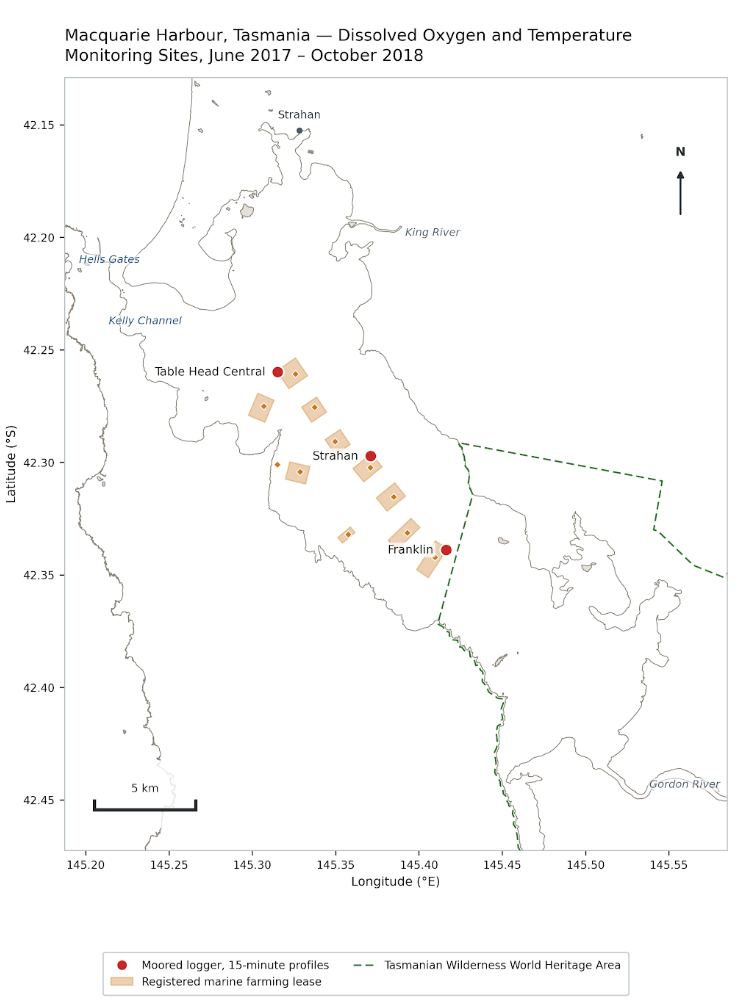
Map of Macquarie Harbour identifying sites (red dots) where temperature and oxygen were recorded daily at 15 min intervals from June 2017 to October 2018 (Ross 2020).
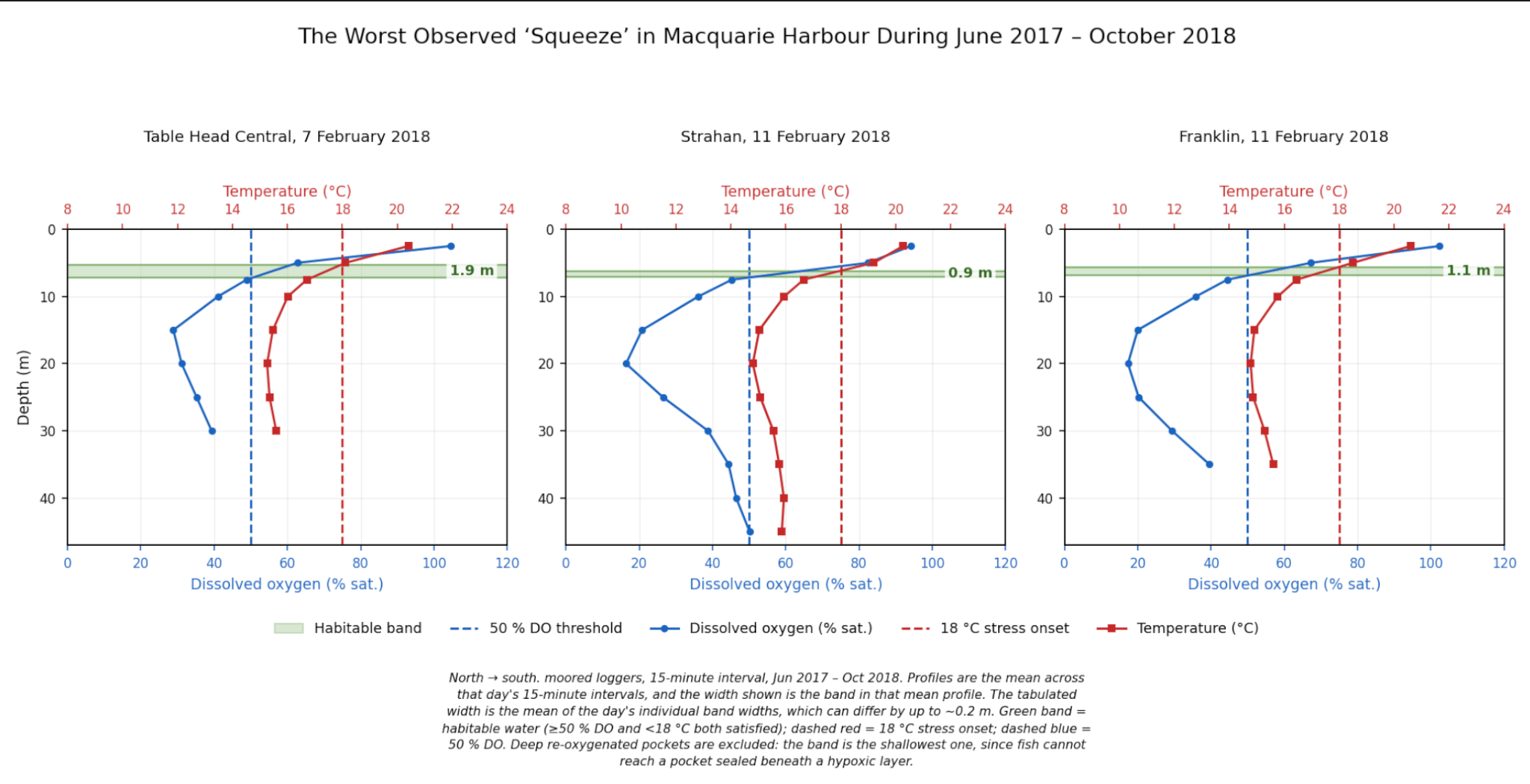
The squeeze (green band) in action at three monitored sites in Macquarie Harbour. The green band is the ‘habitable’ band where temperatures are lower than 18 degrees and oxygen is higher than 50%.
The BoM is forecasting moderate marine heatwaves off the Tasmanian west coast in October and November 2026; however, it can’t forecast conditions inside the harbour. Nonetheless, we know the harbour is starting summer in poor shape. Dissolved oxygen at 15–25 m deep is lower now than it was in 2023 (33% vs 47%) ¹⁸ ¹⁹. This is close to 2019 conditions, westerly storms overturned the harbour, pushing oxygen-poor water upward and killing salmon²¹ as well as around half the Maugean skate population²². In 2019, oxygen at 15-25 m deep was around 23–30% and surface waters were as high as 22 °C ²⁰.
Warmer water holds less dissolved oxygen, and climate change is driving more frequent and intense storms, creating ‘uplifts’. Intensive salmon farming consumes what little oxygen remains, which is why salmon must be removed from the harbour. This will make the harbour more resilient to storms, giving the Maugean skate a fighting chance at survival.
A transparency test is underway
The Fisheries Research and Development Corporation (FRDC) has been warning aquaculture and fishing businesses to prepare for marine heatwaves, including advising them to inform investors and reconsider market exposure, suggesting the sector expects a difficult summer²³.
Only since 10 February 2026 have salmon companies been legally required to publicly disclose monthly mortality figures²⁴, a change that came only after years of companies downplaying deaths or refusing to release the data, and after right-to-information requests, advocacy, and media investigation forced partial figures into the open. This summer will be the first test of the reporting requirements under potentially unprecedented conditions. If BoM’s forecast plays out, this summer’s figures won’t stay hidden the way past bad summers reportedly have.
Mass mortality events are no longer hypothetical for Tasmanian salmon; they are structural, clustering tightly around the warmer months on either side of, and during, summer.
What does responsible finfish aquaculture look like in a warming climate?
Tasmania’s salmon (and other finfish) farming can still have a future, and it largely comes down to political and commercial will.
Moving offshore may be an option because it flushes out fish waste and keeps using today’s skilled workforce, but it doesn’t fix the core problem: Tasmania’s ocean is warming on both coasts ²⁵. Rough seas also make fish disease, escapes, and worker safety harder to manage ²⁶ ²⁷.
Moving onto land is an attractive option, using tank-based systems that recycle water (i.e. Reticulated Aquaculture Systems; RAS) that can be powered by Tasmania’s renewable hydro power³¹. Onshore Atlantic salmon production is forecast to reach 5–6% of global production by 2030²⁸ ²⁹ . Land-based farming gives farmers direct control over temperature, oxygen and disease, a control Tasmania’s ocean can no longer offer.
There are multiple species of finfish already farmed at scale in Australia, many of which, like Murray Cod and Barramundi,are native to Australia and have thrived in Australian environmental conditions for millenia. We could even make them pink just by using the same coloured feed additives used to make farmed salmon ‘look like salmon’!
Ironically, the Tasmanian salmon industry is already using land-based systems to keep fish growing longer on land to minimise the time they spend growing out at sea.³⁰. Starting the transition to environmentally responsible aquaculture early, rather than after tightening regulations, lost product, and/or forced closures, is what protects jobs and regional communities.
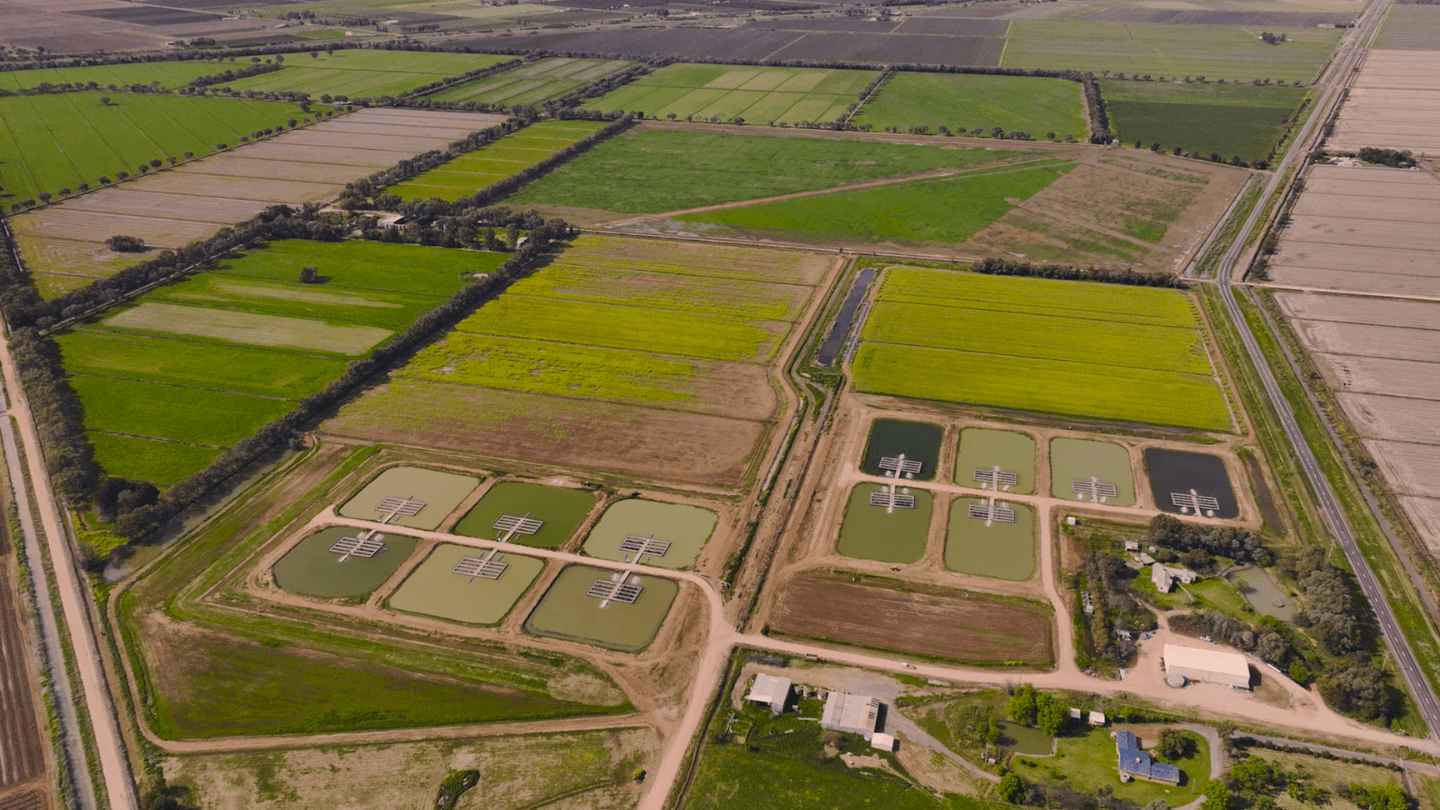
Aquna Sustainable Murray Cod farm captured by Nick Fletcher
An industry running out of room
Ongoing and possibly larger mass mortality events, growing disease-treatment and antibiotic costs, slower growth in warmer water, expensive disposal of fish corpses, tightening biomass caps, and climbing insurance costs for businesses to operate are all moving in the wrong direction. The marine heatwave conditions driving these challenges are only projected to intensify.
Fortunately, consumers do hold power over the multinational corporations making these decisions.
Asking Coles and Woolworths, two of the largest retailers of Tasmanian farmed Atlantic salmon, sends a clear signal that mass fish deaths, antibiotic residues in wild seafood, and the extinction of a one-of-a-kind species aren’t acceptable trade-offs.
Add your voice: sign on to tell Coles and Woolworths to stop stocking Macquarie Harbour salmon.
If you’re looking for sustainable seafood alternatives that don’t cost the ocean, check out our GoodFish Guide.
References:
- Climate Council. (2026, September 2). Climate pollution and El Niño. https://www.climatecouncil.org.au/resources/climate-pollution-and-el-nino/
- Copernicus Climate Change Service. (2026, August 24). Copernicus: Daily global sea surface temperature breaks 2024 record [Press release]. https://climate.copernicus.eu/copernicus-daily-global-sea-surface-temperature-breaks-2024-record
- Bureau of Meteorology. (n.d.). Ocean temperature: Long-range forecasts. Retrieved September 28, 2026, from https://www.bom.gov.au/climate/ocean/long-range-forecasts/?variable=mh_cat®ion=VIC_TAS
- EPA Tasmania (2025) Reflections and Learnings – 2025 Mortality Event Report. Perspectives and insights gathered through a structured multi-agency and industry debrief process following the 2025 salmon mortality event in the D’Entrecasteaux Channel. EPA Tasmania, Hobart, Australia. Available at https://epa.tas.gov.au/business-industry/regulation/salmon-aquaculture/salmon-mortality-event-2025/reflections-and-learnings-2025-mortality-event-report [Verified 23 July 2026]
- EPA Tasmania (2026) ‘Salmon Waste Management’ Available at https://epa.tas.gov.au/business-industry/regulation/salmon-aquaculture/salmon-waste-management [Verified 23 July 2026]
- Madge, G. (2026, August 21). An ‘unprecedented’ El Niño and its implications for the weather forecast. Met Office. https://www.metoffice.gov.uk/blog/2026/an-unprecedented-el-nio-and-its-implications-for-the-weather-forecast
- Bureau of Meteorology. (n.d.). Southern hemisphere monitoring. Retrieved September 25, 2026, from https://www.bom.gov.au/climate/enso/?ninoIndex=nino3.4&index=rnino34&period=weekly
- Green TJ, Smullen R, Barnes AC (2013) ‘Dietary soybean protein concentrate-induced intestinal disorder in marine farmed Atlantic salmon, Salmo salar is associated with alterations in gut microbiota’ Veterinary Microbiology 166, 286–292. doi:10.1016/j.vetmic.2013.05.009
- Meng H, Hayashida H, Norazmi-Lokman NH, Strutton PG (2022) ‘Benefits and detrimental effects of ocean warming for Tasmanian salmon aquaculture’ Continental Shelf Research 246, 104829. doi:10.1016/j.csr.2022.104829
- Zarkasi KZ, Taylor RS, Abell GCJ, Tamplin ML, Glencross BD, Bowman JP (2016) ‘Atlantic Salmon (Salmo salar L.) Gastrointestinal Microbial Community Dynamics in Relation to Digesta Properties and Diet’ Microbial Ecology 71, 589–603. doi:10.1007/s00248-015-0728-y
- Kajtar JB, Holbrook NJ (2021) Future projections of marine heatwave hazards to aquaculture and fisheries in Tasmania. Institute for Marine and Antarctic Studies, Univeristy of Tasmania, Australia.
- IMOS 2026, Satellite Remote Sensing: Sea Surface Temperature-L3S-Multi Sensor-6 day-nighttime-Australia, https://portal.aodn.org.au/, accessed 30 June 2026
- APVMA (2026) ‘APVMA suspends permit for florfenicol | Australian Pesticides and Veterinary Medicines Authority’ Available at https://www.apvma.gov.au/news-and-publications/news/apvma-suspends-permit-florfenicol [Verified 23 July 2026]
- Lohberger L, Gibson J (2026) ‘Antibiotic found in wild seafood 14 kilometres from salmon farm’ ABC News. Available at https://www.abc.net.au/news/2026-06-02/florfenicol-detection-14-km-from-salmon-farm-site/106747136 [Verified 23 July 2026]
- Ross J (2020) ‘Macquarie Harbour dissolved oxygen and temperature monitoring data from acoustic telemetry sensors (2017-2018)’ doi:10.25959/0348-QS76 https://www.csiro.au/en/news/all/articles/2018/june/why-macquarie-harbour-has-an-oxygen-problem
- Ross J (2020) ‘Macquarie Harbour dissolved oxygen and temperature monitoring data from acoustic telemetry sensors (2017-2018)’ doi:10.25959/0348-QS76
- Dempster T, Wright D, Oppedal F (2016) Identifying the nature, extent and duration of critical production periods for Atlantic salmon in Macquarie Harbour, Tasmania, during summer. Fisheries Research & Development Corporation, Australia.
- Environment Protection Authority Tasmania. (n.d.). Macquarie Harbour dissolved oxygen. Retrieved September 28, 2026, from https://epa.tas.gov.au/business-industry/regulation/salmon-aquaculture/macquarie-harbour-dissolved-oxygen
- Environment Protection Authority Tasmania. (n.d.-a). Macquarie Harbour dissolved oxygen. Wayback Machine. https://web.archive.org/web/20250321233653/https://epa.tas.gov.au/business-industry/regulation/salmon-aquaculture/macquarie-harbour-dissolved-oxygen
- Ross J, Moreno DA, Bell JD, Mardones J, Beard J (2022) Assessment of the Macquarie Harbour Broadscale Environmental Monitoring Program (BEMP) data from 2011-2020. Institute for Marine and Antarctic Studies, University of Tasmania, Hobart, Australia.
- Wallis I (2024) Technical Memo on Dissolved Oxygen in Macquarie Harbour. Appendix 1A in. In ‘Petuna Sealord – Submiss. Req. Reconsideration Ref. Decis. EPBC 20126406’. (Consulting Environmental Engineers.: Australia) Available at https://www.dcceew.gov.au/sites/default/files/documents/76309.pdf
- Moreno DA, Semmens JM, Tracey S, Woolley B (2025) 2014-2024 Macquarie Harbour Maugean skate population status and monitoring report. Institute for Marine and Antarctic Studies, University of Tasmania, Hobart, Tasmania.
- FisheriesResearchAU (2026) ‘National Marine Climate Briefing 2026/27 – Episode 1 – September 2026.’ Available at https://www.youtube.com/watch?v=-CpdHFIfb3Q [Verified 28 September 2026]
- Burrows R (2026) ‘Biosecurity Act 2019 Section 191 – General Biosecurity Direction.’ Biosecurity Tasmania.
- Ridgway KR, Ling SD (2023) ‘Three decades of variability and warming of nearshore waters around Tasmania’ Progress in Oceanography 215, 103046. doi:10.1016/j.pocean.2023.103046
- Hvas M, Folkedal O, Oppedal F (2021) ‘Fish welfare in offshore salmon aquaculture’ Reviews in Aquaculture 13, 836–852. doi:10.1111/raq.12501
- Bjelland HV, Folkedal O, Føre HM, Grøtli EI, Holmen IM, Lona E, Slette HT, Størkersen KV, Thorvaldsen T (2025) ‘Exposed Aquaculture Operations: Strategies for Safety and Fish Welfare’ Reviews in Aquaculture 17, e12964. doi:10.1111/raq.12964
- Martinsen S, Vedeler HV, Saetre NB (2024) The Inflection Point: Outlook for Land-Based Salmon Farming. Boston Consulting Group, Available at https://www.bcg.com/publications/2024/norway-the-inflection-point-outlook-for-land-based-salmon-farming [Verified 24 July 2026]
- Spheric Research (2025) ‘Land-based salmon set to hit 200,000t by 2030’ Available at https://sphericresearch.com/land-based-salmon-set-to-hit-200000t-by-2030/ [Verified 24 July 2026]
- Huon Aqua (2024) ‘Whale Point Nursery Expansion’ Available at https://www.huonaqua.com.au/project/whale-point-nursery-expansion/ [Verified 24 July 2026]
- ReCFIT (2024) ‘100% target achievement’ ReCFIT. Available at https://www.recfit.tas.gov.au/what_is_recfit/energy_vision/100_target_achievement [Verified 29 July 2026]