Save Scott Reef: Stop Woodside’s Browse gas drilling proposal
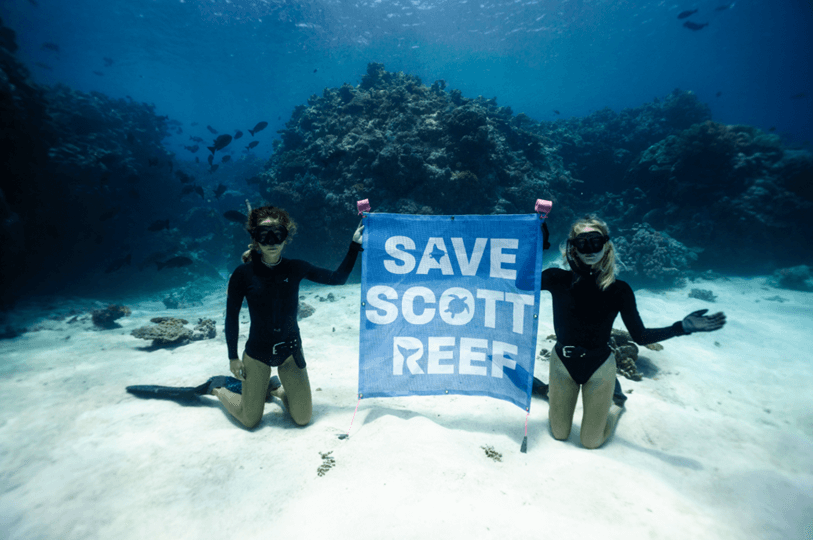
Scott Reef is a fragile ocean wonder that needs protection.
But this spectacular reef is under threat from fossil fuel polluter Woodside’s Browse gas proposal.
Scott Reef is one of Australia’s last untouched marine habitats. It is wild, remote and full of life. But fossil fuel giant Woodside wants to drill nearby, threatening the reef’s coral, turtles and whales.
We cannot let them turn a sanctuary into a gas field. This is a genuine David versus Goliath fight, and with your help, we can win it.
All donations of $2 or more are tax-deductible. Our important campaigns are not funded by Government grants, we are totally reliant on generous people like you to protect Australia’s oceans and the animals that call them home.
Latest Supporters
An Ocean Lover
donated
$15
to
Save Scott Reef
1 month ago
An Ocean Lover
donated
$100
to
Save Scott Reef
3 months ago
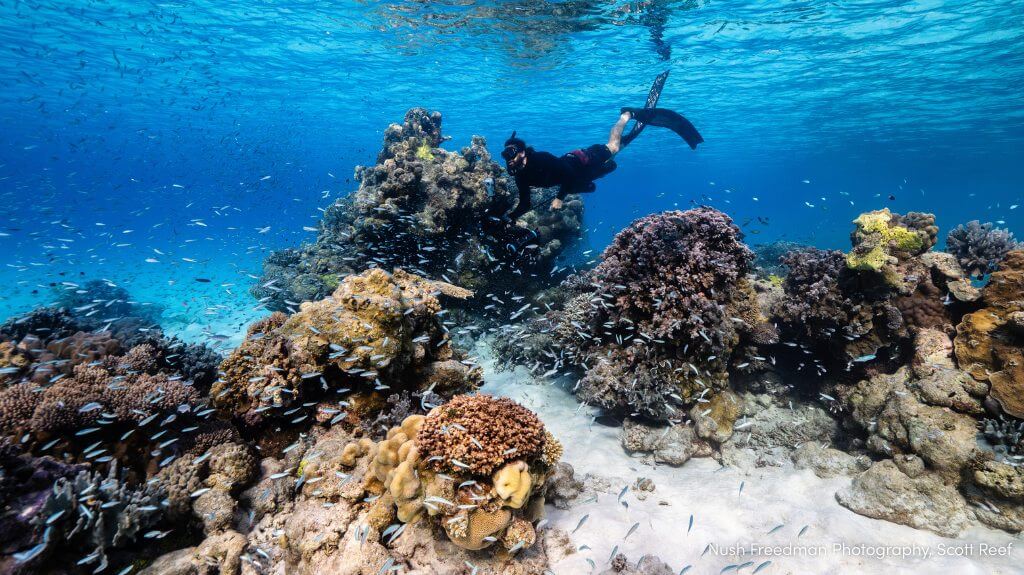
Scott Reef is one of the most spectacular and important coral reefs in Australia. It’s a haven for corals, fish, endangered whales, sea snakes and a nesting site for rare green turtles.
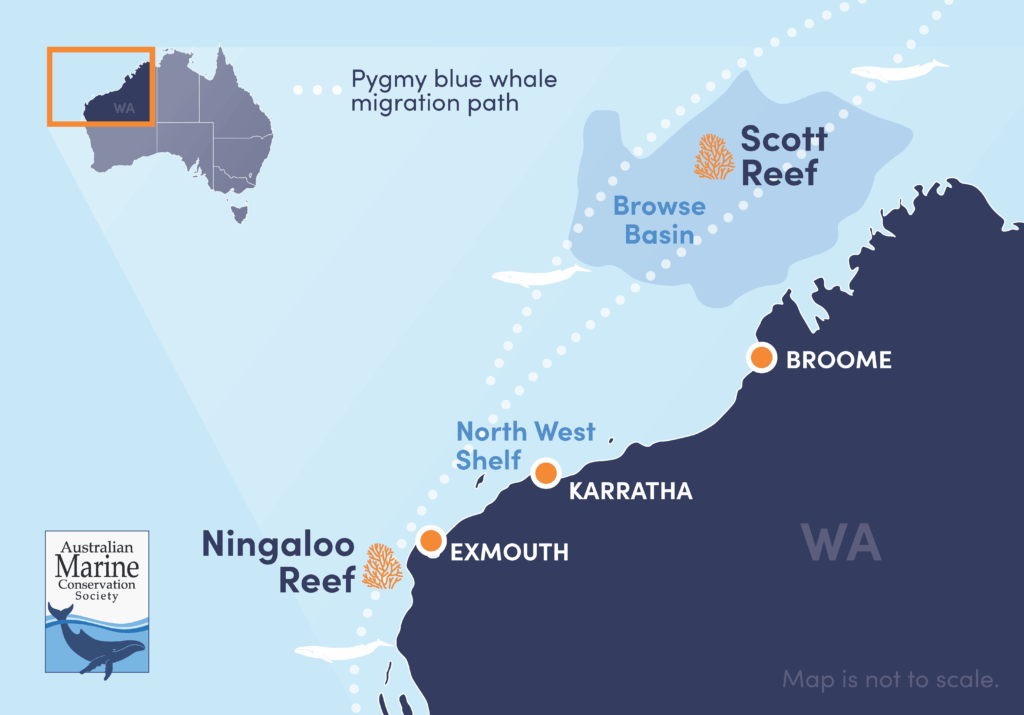
Although lesser known, Scott Reef rivals the World Heritage Listed Ningaloo Reef for the diversity of ocean wildlife it supports. But Scott Reef and its marine life could be pushed to the brink by fossil fuel polluter Woodside’s Browse gas proposal.
Located 270 km off the Kimberley Coast in north-west Western Australia, Scott Reef is home to more than a thousand species, from the tiniest coral polyps to giant migratory whales like the endangered pygmy blue whale.
Green and hawksbill turtles nest during the summer months on Sandy Islet on South Scott Reef, a narrow sliver of sand that lies less than 2m above sea level and which provides critical nesting habitat for a genetically distinct population of green turtles that swim hundreds of kilometres to lay their eggs here.
Scott Reef is also Australia’s last remaining habitat for the endangered dusky sea snake.
Scott Reef should be a safe place for marine life to thrive, not an industrial gas zone.
Woodside, a major fossil fuel company, and its joint venture partners are proposing to drill up to 50 gas wells around Scott Reef’s world-class and fragile coral ecosystem to access the Browse offshore gas field. Woodside also wants to dump its carbon pollution under the ocean floor nearby.
Scott Reef’s precious marine life is at risk. The Browse gas proposal is an attack on Scott Reef that would destroy nature and fuel dangerous climate change and marine heatwaves.
If the Browse proposal is approved, it will lock in deafening underwater seismic blasting for decades and risk oil spills, blowouts and sinking green sea turtle nesting grounds as gas is sucked out from under the fragile reef.
If it’s not stopped, the Browse project would also be a major contributor to Woodside’s proposed Burrup Hub North West Shelf onshore gas processing facility, a climate disaster that will produce billions of tonnes of emissions, worsening the climate crisis.
Right now, Woodside is seeking approval from the WA and Australian governments to develop the Browse offshore gas field and extend its North West Shelf facility until 2070.
Almost all the gas Woodside wants to drill around Scott Reef would be shipped overseas.
Scott Reef rises nearly a kilometre from the ocean floor, sheltering rare whales, endangered turtles and coral gardens that stretch for miles.
Scott Reef rises nearly a kilometre from the ocean floor, sheltering rare whales, endangered turtles and coral gardens that stretch for miles.
A hidden treasure under threat
Because it’s so remote, few Australians have seen it. That’s what makes it vulnerable, a proposed industrial gas project nearby could threaten this fragile ecosystem.
Because it’s so remote, few Australians have seen it. That’s what makes it vulnerable, a proposed industrial gas project nearby could threaten this fragile ecosystem.
A fight for our shared future
If this project goes ahead, it will pump out millions of tonnes of climate pollution, destroying marine life and damaging ocean health for generations to come.
If this project goes ahead, it will pump out millions of tonnes of climate pollution, destroying marine life and damaging ocean health for generations to come.
The WA Environmental Protection Authority (EPA) has raised significant concerns about the Browse project, citing threats to migrating whales, endangered turtles, and the risk of an oil spill.
The Federal Environment Minister and WA Environment Minister, hold the future of Scott Reef in their hands. They have the power to reject Woodside’s destructive plans, and protect one of Australia’s most spectacular and biodiverse coral reefs.
They have a choice: Browse gas and carbon pollution dumping or saving Scott Reef and taking action on climate change.
AMCS has joined with other leading conservation groups in calling on the WA and federal governments to respect the independent scientific advice and expert opinion, and reject Woodside’s application to develop Browse fossil gas.
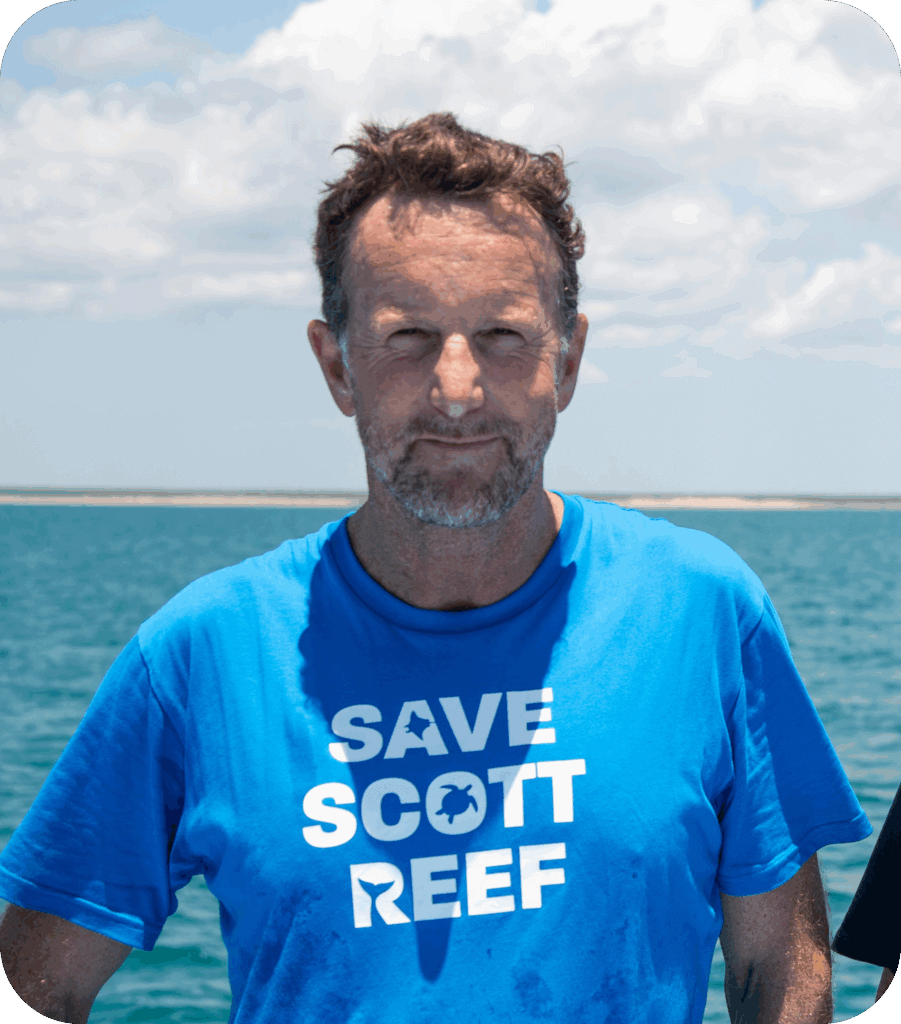
“When I look at Scott Reef, I see a thriving marine ecosystem, one that deserves our protection.”
~ Paul Gamblin CEO, Australian Marine Conservation Society
How the Fighting Fund protects Scott Reef
Support investigations and public awareness campaigns that reveal the risks this industrial gas proposal poses to marine life.
Inspire Australians to stand together for our oceans and act to protect Scott Reef.
Together, we can strengthen the science that shows why this proposal must be rejected to protect our fragile marine ecosystems.
Empower public and political advocacy that urges the Environment Minister to protect Scott Reef once and for all.
You can help save Scott Reef from Woodside’s gas plans!
Every donation helps power the Fighting Fund that stands up to Woodside’s billion-dollar gas project and protects one of Australia’s last untouched reefs and most extraordinary marine habitats.
Together, we can draw the line here, for our oceans, our climate and future generations.